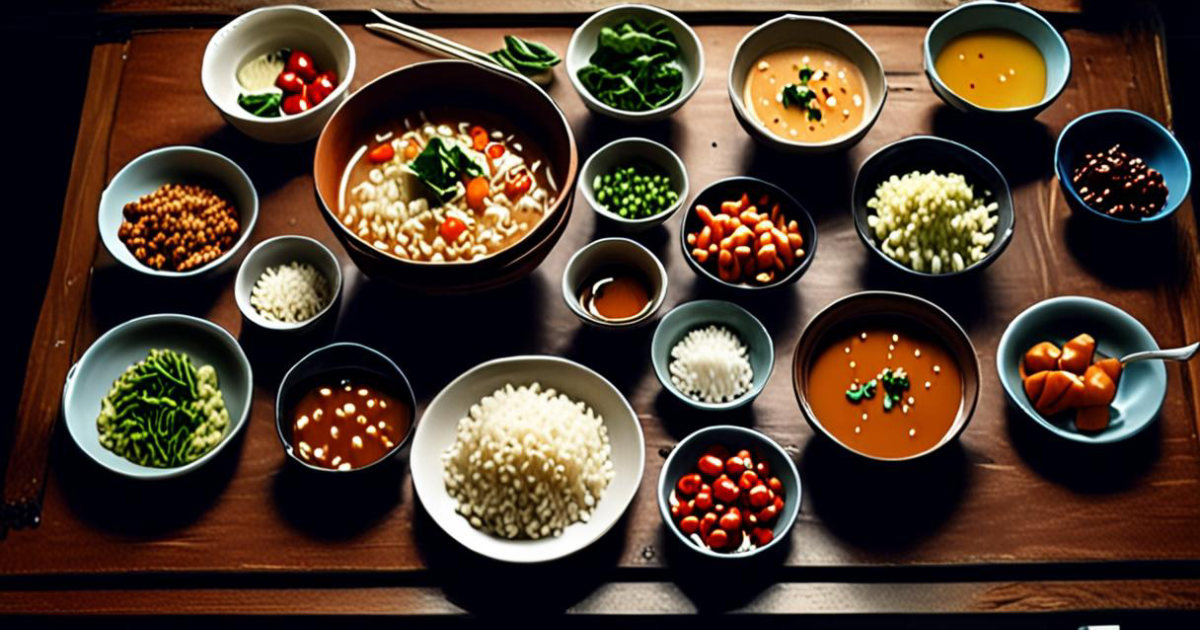
In an October 2026 X joke, Japanese users became “tanuki” because they kept showing up under Korean food posts. Then someone discovered an apparently foolproof summoning spell: repeat “Japan,” mention delicious food, and watch the replies arrive.
The day the dinner guests became woodland creatures
Around October 23, a Korean-language food post drew so many Japanese replies that the poster wondered why “tanuki” kept appearing when the message was intended for Koreans. Japanese participants embraced the name instead of treating it as an official label.
The Korean word neoguri (너구리) means a raccoon dog, the animal Japanese speakers call tanuki. Here it became a nickname for curious, hungry visitors to the replies, not a general Korean name for all Japanese people.
One minute you're browsing recipes; the next minute the internet has quietly recategorized your species. You barely notice because dinner looks excellent.
How “summon the tanuki” became a spell
On October 24, another post announced “Tanuki summoning!” and filled the screen with repeated references to tanuki, Japan, and delicious food. That's it. No mystical ingredients. No moonlight. No elaborate ritual. Just nationality and a menu.
The payoff came when Japanese users joined the joke, including one replying along the lines of “You called?” The supposed targets of the spell supplied the evidence that it worked.
It's the culinary equivalent of putting a bowl outside, hearing a rustle in the bushes, and finding the entire comments section waiting for seconds.
Is “tanuki” an insult?
Context matters. Comparing a group of people to animals can be offensive in other situations. In these particular posts, the joke depended on Japanese participants volunteering to play the hungry tanuki and Korean users continuing to share tempting dishes.
This was not a new national nickname issued by Korea. It was a temporary role in a shared, food-driven comedy sketch: the cook posts; the hungry audience appears; everyone pretends the spell is real.
A tanuki isn't exactly a raccoon
A tanuki is a raccoon dog, not the North American raccoon. Korean neoguri refers to the raccoon dog too. The familiar raccoon emoji often used online is a visual stand-in, not a biology lesson.
The distinction matters for explaining the word. It matters considerably less to someone staring at a sizzling pan of dakgalbi.
Where did it start, and why did it spread?
The identifiable sequence runs through food-related Japanese replies and the October 23 “why are there tanuki here?” reaction, followed by the October 24 “summoning” post. That establishes the meme's visible spread, not a proven first-ever use of the idea.
Its comic engine is simple: people are compared to animals attracted by food, those same people enthusiastically accept the part, and a joke about international communication turns into a joke about feeding a crowd.
Spell: delicious Korean food. Result: Japanese people in the replies.