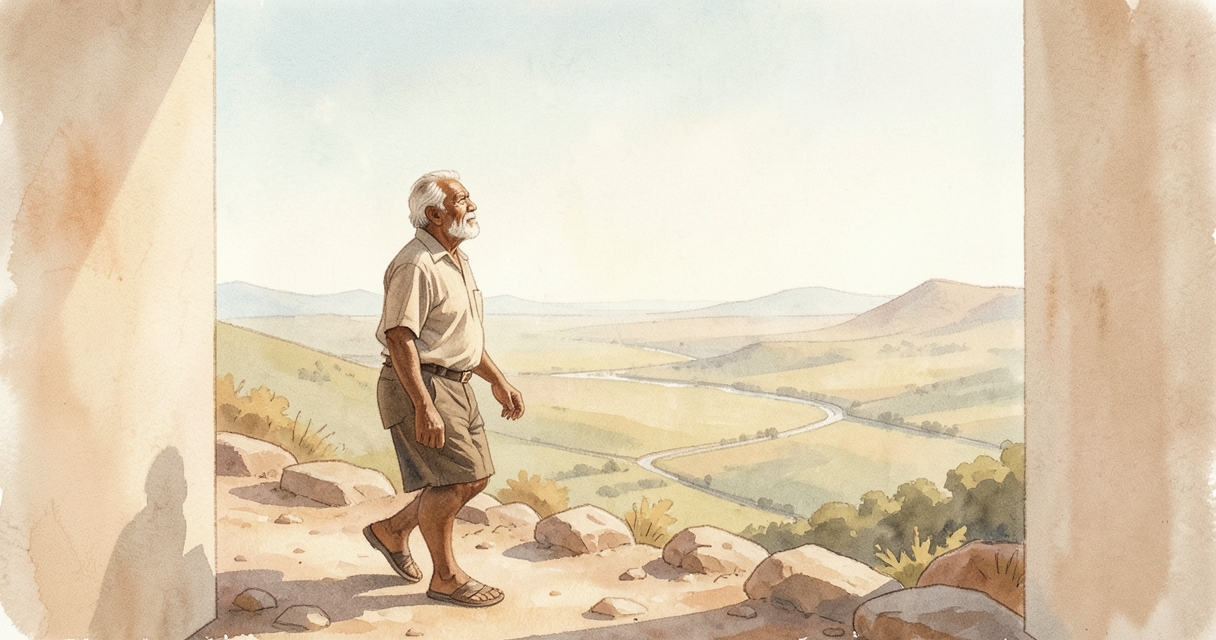
If you want a real hiking day rather than a short walk, the Mie side of the Suzuka Range is the most compelling area in late September.
A practical ranking is:
- Ryugatake — broad ridges and a 360-degree summit panorama
- Mount Gozaisho — rocks, views, summit facilities, ropeway and nearby hot springs
- Nyudogatake — substantial without being excessively long, plus the memorable white torii at the summit
- Chausuyama — the best Aichi option when cooler highland air matters more than a hard climb
- Horaijisan — a sightseeing hike combining 1,425 stone steps, temples, forest and history
Sanageyama is still a popular and accessible mountain. It simply loses this specific late-September comparison because it is only 629 meters high, while current official information also lists a road closure in the area and recent bear-like animal sightings.
1. Autumn has too many good activities, so make the hike the backbone of the day
Autumn in Japan offers an absurdly dense menu: grilled saury, sweet potatoes, chestnuts, mushrooms, pears, grapes, new rice and hot pot; autumn leaves, cosmos, pampas grass and fragrant olive; BBQ, camping, fishing, cycling, drives, hot springs and festivals.
Trying to do everything turns a day off into a school festival with logistics.
A better structure is mountain in the morning → hot spring after descent → meat or hot pot in the evening. The hike becomes the main dish, while food and bathing keep the day fun even for friends who are not obsessed with collecting summits.
2. Late September is autumn on the calendar, but usually early for peak foliage
Do not automatically equate “late September” with “peak red leaves.” Gozaisho Ropeway says the normal foliage window around the summit is mid to late October, followed later by the middle slopes and then Yunoyama Onsen.
Ryugatake's famous red-shiroyashio “sheep” are also an autumn feature that generally belongs later in the season than late September.
The better expectation is: escape some of summer's worst heat and enjoy green ridges with early-autumn air.
Mountains do not read calendars. You can arrive shouting “autumn foliage!” and receive a wall of very confident green in response.
3. Five-mountain comparison
| Mountain | Elevation | Why it works in late September | Hiking load | Best for |
|---|---|---|---|---|
| Ryugatake | 1,099 m | Open ridge, huge views | Substantial | Strong sense of achievement |
| Mount Gozaisho | 1,212 m | Rocks, views, summit attractions | Substantial | Hiking + sightseeing + hot spring |
| Nyudogatake | 906 m | Open summit, white torii, Ise Bay views | Medium | A dense half/full-day outing |
| Chausuyama | about 1,415 m | Aichi's highest mountain, highland setting | Light | Cooler air, mixed-skill groups |
| Horaijisan | about 695 m | 1,425 steps, temple, history | Medium | Sightseeing-oriented hiking |
“Hiking load” is only a relative editorial comparison here, not an official grade. Route choice, rain, heat, fitness and equipment can change the difficulty dramatically.
4. Ryugatake: the strongest “we actually climbed a mountain” feeling
Ryugatake rises to 1,099 meters above the Uga Valley area in Inabe. Its upper slopes open into grass and bamboo-grass terrain with broad 360-degree views.
The current Uga Valley visitor information lists the Entsuo Ridge route at roughly three hours up and two and a half hours down, and highlights its views and relatively walkable character.
The appeal is the transition. You spend time inside the forest, then suddenly the landscape opens sideways. It is an easy mountain for a group to enjoy together because the scenery keeps producing natural pause points.
The famous red “sheep” effect from autumn-colored shiroyashio is not the reason to choose late September. At this time, the green ridge itself is the attraction.
One current safety note matters: official Uga Valley information says the old log bridge near Shirataki was removed due to aging and a temporary log crossing is now in place; it may become submerged when water rises. After rain, this is not a place for “it'll probably be fine.”
5. Mount Gozaisho: turn the hike into an attraction-packed day
Mount Gozaisho reaches 1,212 meters and combines rocky terrain, unusual rock formations, panoramic viewpoints, a summit park, sightseeing lift, ropeway and Yunoyama Onsen below.
That makes it excellent for groups where not everyone considers “walking uphill for hours” sufficient entertainment.
There is, however, a major current route notice. As of September 13, 2026, the official ropeway site warns of collapse risk near Obare-ishi on the Naka trail and asks hikers to use other trails. It names the Ura, Omote, Toge and Ichinotani-shindo routes as alternatives. Do not follow an old “classic Naka trail” article without checking the current notice.
From September 19 through October 4, 2026, the sightseeing lift also has a special offer: buying the normal 700-yen round-trip ticket allows unlimited rides that day during operating hours. The lift takes about eight minutes one way to the 1,212-meter summit point.
The ropeway and lift can stop in thunderstorms or bad weather. Treat them as planned transport options, not as a guaranteed emergency escape button.
6. Nyudogatake: shorter, but the summit sticks in your memory
Nyudogatake is 906 meters high. An official Suzuka tourism course starts at Tsubaki Grand Shrine, climbs by the Idodani route and returns via the Nihonmatsu Ridge, totaling about 7 km and 3 hours 30 minutes.
The open summit and large white torii give the mountain an obvious visual identity. Months later, you are unlikely to look at the photos and ask, “Which mountain was that again?”
It sits neatly between a long Ryugatake day and a lighter highland walk. Still, streamside and mountain conditions can change with weather. A short model time does not turn it into an urban park walk.
7. In Aichi, choose Chausuyama for cool air or Horaijisan for sightseeing
Chausuyama
Chausuyama lies on the Aichi-Nagano border and is Aichi's highest mountain at about 1,415 meters. Official tourism information describes gentle highland walking paths and views toward the Southern and Central Alps.
Its late-September advantage is simple: altitude. It is easier to aim for a more autumn-like atmosphere than on a low mountain.
The trade-off is intensity. If your only definition of a good day is “my legs must file a formal complaint,” Chausuyama may feel light. It works best as a package of highland walking, driving, scenery and food.
Horaijisan
Horaijisan in Shinshiro is a historic sacred mountain. The approach to Horaiji Temple includes 1,425 stone steps, with Niomon Gate, giant trees and viewpoints along the way. Shinshiro tourism information gives the mountain an elevation of about 695 meters, while regional tourism information suggests roughly four hours for a walking circuit.
It is a good choice for people who get bored by a featureless forest climb. The scenery keeps changing: stairs, temple, old trees, rock and viewpoints.
Although the area is famous for autumn colors, late September is better approached as a history-plus-hiking trip than as a guaranteed foliage trip.
8. Why Sanageyama drops out of the top five this time
Sanageyama, at 629 meters, is a well-known beginner-friendly mountain spanning Toyota and Seto. Official tourism information describes maintained trails and family-friendly hiking.
For this particular late-September comparison, three factors lower its priority:
- the lower elevation offers less help against residual summer heat;
- an official notice says a local road has been closed since July 1, 2026 due to concerns about heavy-rain impacts, with no reopening date listed at the time of checking;
- official pages list multiple 2026 sightings of animals believed to be bears around the mountain.
This is not a “never go” verdict. It simply means other mountains fit the current seasonal objective more cleanly.
9. Pick by priority and the decision becomes easy
- Views + achievement → Ryugatake
- Best all-round day → Mount Gozaisho
- Real hike without an overly long day → Nyudogatake
- Cooler, easier highland outing → Chausuyama
- Temple, history and variety → Horaijisan
- Classic nearby low mountain → Sanageyama, after checking current road and wildlife notices
With a mixed-ability group, choose the mountain that the least experienced person can still enjoy. A summit panorama loses some magic if one member's soul has already left their body.
10. Two strong group plans
Plan A: Ryugatake → hot spring → meat
Start early at Uga Valley, make the hike the main event, then bathe after descending and finish with yakiniku, tonteki or hot pot.
Hiking and “appetite season” on the same day creates a useful accounting error: dinner calories somehow feel legally exempt.
Plan B: Gozaisho → ropeway → Yunoyama Onsen
Choose a currently open trail appropriate for the group's ability, enjoy the summit area, use the lift if desired, and finish at Yunoyama Onsen.
At some point somebody may ask why a “hiking day” now contains a ropeway, a chairlift and a hot spring. That is not a bug. That is efficient autumn entertainment.
If everyone still has energy, add moon viewing, BBQ, sweet potatoes or board games at night. Just remember that tomorrow's group chat may consist entirely of complaints about stairs.
11. Late-September safety checklist
Autumn branding does not cancel heat management.
- Carry enough water; do not reduce it because “it should be cooler now.”
- Start early to reduce heat exposure and sunset risk.
- Carry rain gear.
- Wear footwear with reliable grip.
- Be extra cautious around streams, temporary bridges and rocks after rain.
- Check official trail and road notices on the day of departure.
- If using a ropeway, verify operating status and last-service times.
- Check current local wildlife notices and take normal bear-avoidance precautions where relevant.
- If fitness levels vary, choose the route around the least experienced member.
- Weather, time or health are valid reasons to turn back, even when the summit feels close.
Late September can combine hot daytime conditions with noticeably cooler mornings and evenings. A light removable layer is more useful than pretending one T-shirt is a complete climate strategy.
12. Summary: choose a mountain for the entrance to autumn, not for guaranteed peak foliage
Late September in Aichi and Mie sits between summer heat and full autumn color. That makes the best strategy straightforward:
Ryugatake for the strongest hike, Gozaisho for the full package, Nyudogatake for balance, Chausuyama for cooler Aichi highlands, and Horaijisan for history and sightseeing.
Then descend, find a hot spring, and eat something substantial.
Autumn is a season of atmosphere. Atmosphere, unfortunately, contains very little protein.
Sources checked September 13, 2026
- Uga Valley / Ryugatake hiking information: https://ugakei.info/%E7%AB%9C%E3%83%B6%E5%B2%B3%E7%99%BB%E5%B1%B1/
- Uga Valley overview: https://ugakei.info/%E5%AE%87%E8%B3%80%E6%B8%93%E3%81%AB%E3%81%A4%E3%81%84%E3%81%A6/
- Gozaisho Naka-trail collapse warning: https://www.gozaisho.co.jp/news/2025-5-25/
- 2026 Gozaisho sightseeing-lift offer: https://www.gozaisho.co.jp/news/lift9-19-10-4/
- Gozaisho autumn / FAQ: https://www.gozaisho.co.jp/highlight/seasons/fall/ and https://www.gozaisho.co.jp/faq/
- Suzuka tourism Nyudogatake course: https://www.kanko.suzuka.mie.jp/pdfs/pamphlet/pamphlet_suzuka_weekend_walk_23_courses.pdf
- Chausuyama tourism information: https://www.okuminavi.jp/spot/detail/5/
- Shinshiro tourism Horaijisan feature: https://shinshirokankou.com/feature/detail/81/
- Toyota tourism Sanageyama: https://www.tourismtoyota.jp/spots/detail/12
