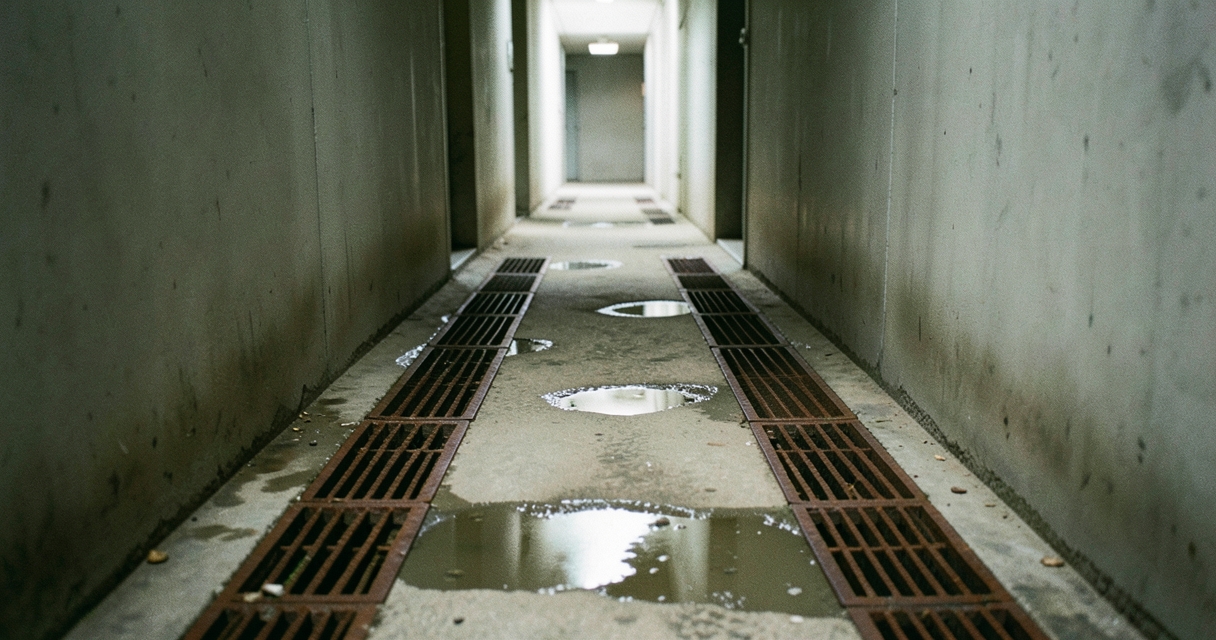
You move in and immediately meet mosquitoes. Then you notice they are in front of other units too. The scope changes from defending one doorway to checking the building’s shared environment.
Japanese public guidance says even small amounts of standing water in plant saucers, cans, old tires, plastic folds or rainwater drains can support mosquito breeding.[1] Municipal guidance emphasizes removing standing water, maintaining drains and vegetation.[2][3]
Do not declare one drain guilty without inspection, and do not turn a shared corridor into a private pesticide battlefield. Report the observation to management and ask them to inspect possible sources. Being newly moved in is useful evidence that the condition was already present. Meanwhile, minimize door-open time and use screens or mosquito products as directed.[4]
The enemy is a mosquito; the useful skill is scope control.
Sources
- 環境省「地球温暖化と感染症~いま何がわかっているのか?~」— 少量のたまり水、植木鉢受け皿、空き缶、古タイヤ、雨水ます等が蚊の発生源になり得る。
- 横浜市「蚊について」(2026-07-28更新)— 小さなたまり水、草むら、雨水ます、都市部のチカイエカ、殺虫剤の適正使用等。
- 横浜市「蚊媒介感染症対策指針」— 施設管理者によるたまり水除去、雨水ます管理、草刈り等の発生源対策。
- 横浜市港北区 蚊対策資料 — ドアの開閉を少なくする、網戸、肌の露出低減等。