The 5-second answer
In Indonesia, you generally have to be 21 or older to buy or be served alcohol. That's 1 year older than Japan's 20. But turning 21 doesn't mean you can buy it anywhere: it still has to be a licensed seller in an approved place, and local rules vary. If you want one classic Indonesian drink, start with BINTANG. Back in Japan, if you like Suntory -196, try Kirin Hyoketsu next, or Horoyoi if you want something sweeter and lighter.
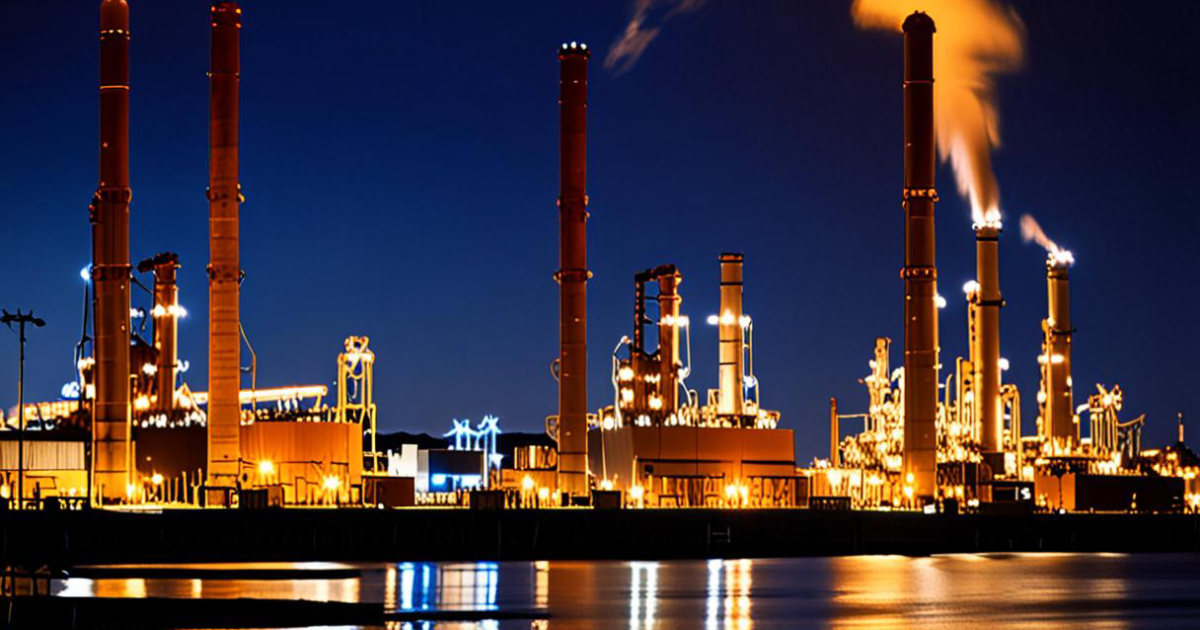
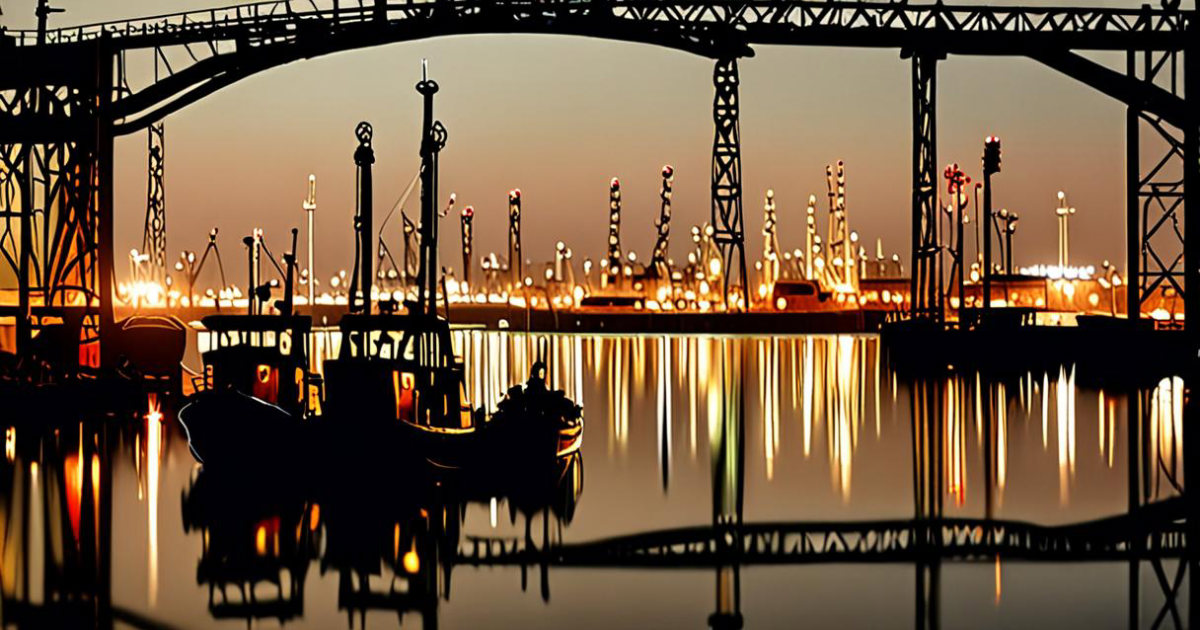
And on August 29, 2026, 90 minutes at Nagoya Port Aquarium at night is plenty, as long as you plan around the 7:00 p.m. dolphin show, BLUE ECHO.
Meanwhile, just outside, Domatsuri was in full swing.
Indoors, dolphins jump. Outdoors, people jump. The heat shows no mercy to either.
The 30-second version
It all started with one question: how old do you have to be to drink in Indonesia?
From there it rolled on to BINTANG, arak, -196 and Hyoketsu, and ended up in the canned-drink aisle of a Japanese convenience store. Then it turned into a travel question: is an hour and a half enough for Nagoya Port Aquarium at night?
If you want to see everything, it's tight. If you make the 7:00 p.m. BLUE ECHO dolphin show the main event, 90 minutes actually works really well.
Then you head back into the city, and Hisaya-odori Park is packed with Domatsuri dancers. In midsummer Nagoya, it isn't just the dolphins going all out.
1. Indonesia: 21 is the minimum age, but that's not the whole story
As of August 2026, Indonesia's rules for alcohol businesses say alcohol can be sold and served to customers aged 21 and up. That's 1 year higher than Japan's 20.
Age is only part of it. Alcohol can only be sold in places allowed by the central or local government, by businesses with the right licenses. And how strict things are depends a lot on the region.
So it's not like a video game where you hit 21 and every fridge in the country unlocks.
Being 21+ gets you in the door. Where it's sold is a second door. Local rules are a third.
In tourist areas and big cities, you'll easily find drinks at hotels, bars, restaurants and licensed shops, but some regions are much stricter. As a traveler, don't assume "I'm an adult, so I can buy it anywhere." Stick to legit places. It's safer and simpler.
2. What do people drink in Indonesia? Start with BINTANG
The first name everyone mentions is BINTANG. Its maker, Multi Bintang, calls it Indonesia's iconic beer, and the lineup now includes Pilsener, Crystal, Radler, 0.0, Anggur Merah, and Arak Jeruk & Madu.
For your first one, go with BINTANG Pilsener. If you're not into lager, the citrusy Radler is easier to drink.
There are also local spirits like arak. Just stick to properly sold, branded products from places you trust, not mystery homemade bottles.
So whose booze is better, Japan's or Indonesia's?
That's mostly taste. But for variety, easy access, consistent quality and sheer choice, Japan wins. Sake, shochu, whisky, beer, umeshu, chu-hi: the shelves are basically a drinks encyclopedia.
Indonesia has a different kind of edge: an ice-cold BINTANG in tropical heat just hits differently.
Japan is the character with a huge inventory. Indonesia is the one that gets a power-up on one specific stage. They're not even playing the same game.
3. Like -196 in Japan? Try Hyoketsu next, or Horoyoi if you want it sweeter
Suntory's core -196 flavors in 2026 include Double Lemon, Shine Muscat, White Peach and Ruby Grapefruit. The main fruit range is 5% alcohol, built around real fruit flavor and a clean finish.
If you want a similar drink from another brand, Kirin Hyoketsu is the easy pick. The standard Hyoketsu range is 4–5% and includes Sicilian Lemon, Grapefruit, Chardonnay Sparkling and Pineapple.
| If you like this -196 flavor | Try this next in Japan |
|---|---|
| Double Lemon | Hyoketsu Sicilian Lemon |
| Shine Muscat | Hyoketsu Chardonnay Sparkling / Horoyoi White Grape |
| White Peach | Horoyoi Peach |
| Fruity and crisp | Standard Hyoketsu |
| Sweeter and lighter | Horoyoi |
Horoyoi is only 3%, so it's clearly lighter than -196. Easy rule: Hyoketsu if you want it to feel like a real drink, Horoyoi if you basically want a fizzy dessert.
Of course, two lemon drinks are never mixed the same way. This isn't a list of copycats. It's a map of flavors that live next door to each other.
4. Is 90 minutes enough for Nagoya Port Aquarium at night? Easily, if you build it around the dolphins
Nagoya Port Aquarium's 2026 "Summer Night Aquarium" runs from July 18 to August 31. During that period it stays open until 8:00 p.m., and after 5:00 p.m. the South Building dims its lights for what they call the "Romantic Aquarium."
At 7:00 p.m., the North Building's main pool hosts the night version of the dolphin show, BLUE ECHO. It lasts about 20 minutes.
That show is the key to doing it in 90 minutes.
A simple 90-minute plan
- Around 6:30 p.m.: go in and look around the North Building
- Around 6:50 p.m.: head to the stadium
- 7:00–7:20 p.m.: BLUE ECHO
- 7:20–8:00 p.m.: pick a few highlights in the darker South Building, like the big tanks
If you want to read every sign, 90 minutes isn't enough. If you want that "aquarium at night" feeling, it's great.
Last entry is 1 hour before closing, so on days it closes at 8:00 p.m., the doors close at 7:00 p.m. That's exactly when the dolphins start, so showing up at the last minute is hard mode. Aim to get in sometime between 6:00 and 7:00 p.m.
In short, 90 minutes isn't too short.
Wanting to see everything in 90 minutes is what's too long.
5. What big festival is on in Nagoya on August 29, 2026? Domatsuri
"Is there a festival in Nagoya today?" turns out to need a quick name check.
The big event in central Nagoya on August 29, 2026, is the 28th Nippon Domannaka Festival, better known as Domatsuri. The main stage at Hisaya-odori Park runs from 9:00 a.m. to 9:00 p.m. that day, and the Final Seed showdown is set for 7:00 to 9:00 p.m.
The Nagoya Festival (Nagoya Matsuri), on the other hand, is a completely different event. In 2026 it's on October 17 and 18.
Japanese festival names are confusingly similar.
- Late August: Domatsuri
- October: Nagoya Matsuri
Calling either one "the Nagoya festival" isn't wrong, but if you're searching online, treat them as two separate things.
6. Midsummer Nagoya has way too many heat sources
Put the whole day together and it fits weirdly well.
You talk about Indonesian drinks, go from -196 to Hyoketsu, and end up at the aquarium at night. Inside, the dolphins leap at full power at 7:00 p.m.
Step outside, and people are dancing at full power at Domatsuri.
Hot weather, hyped-up people, high-energy show.
The aquarium cools you down with air conditioning and just the sight of all that water. Then you take the subway to Sakae, and up on the street it's a festival. The whole city is like a game with 2 levels: the ice stage, then the fire stage.
For a summer trip to Nagoya, you'll save energy by spending longer indoors where it's cool and keeping outdoor events short and sweet.
7. The best plan for the day
You don't need to pick a winner on drinks. If you like -196, try Hyoketsu. If you want something sweeter, go for Horoyoi.
The aquarium works in 90 minutes as long as the dolphin show is your fixed point.
And if Domatsuri feels like too much in the heat, you don't have to see all of it. Just dropping by for a bit gives you the vibe of the city.
Indoors, dolphins. Outdoors, humans. Both jump. But humans can't hop into the tank, so bring your own heatstroke protection.