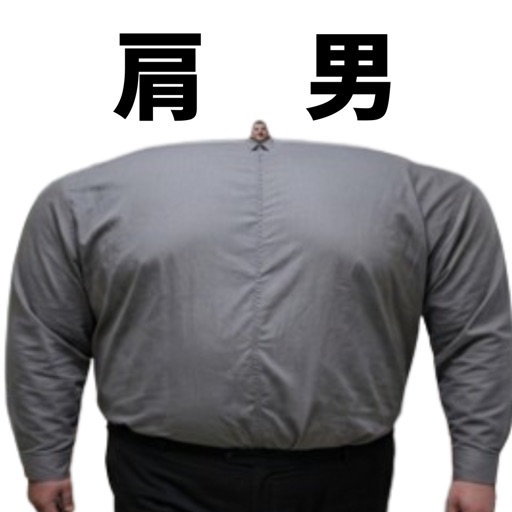
How to Use a Novelty Camera App When You Can't Decide on a Shoulder Stretch App

When you want to loosen up stiff shoulders from desk work every day, narrowing down what to check first with a novelty camera app gets you moving faster than reading through more search results. A shoulder stretch app delivers its real value not by teaching you more, but by making your next step feel lighter.
If you've already been researching desk work solutions, you're at the stage of looking for your own approach. What you need now isn't more motivation or serious self-care — it's a clear sequence for having fun with how your shoulders and face look as joke material.
This page covers the common sticking points with shoulder stretch apps, the minimum steps you can try today, and checkpoints for when things aren't sticking. The priority is creating a flow you can pick up again next time, not achieving perfect understanding.
Why People Get Stuck
The number-one reason people stall with a shoulder stretch app is trying to improve everything at once. The more you compare information, pile on settings, and chase the ideal setup, the longer it takes from opening the app to actually doing something.
If you choose one expecting health improvements, you'll end up with a mismatch. The more you treat it as pure entertainment, the more consistent your satisfaction will be. The more you hesitate, the more likely you are to just re-search and loop through the same pages — and the odds of taking action drop.
Another reason is lining up options without deciding when you'll actually use them. When the situation is vague, your criteria stay vague too. That's exactly why it's important to first pick one specific scenario for using the app.
Steps to Try Today
The first thing to do is pick one photo you want to turn into joke material. What matters here isn't gathering more information — it's pulling forward just one condition you need right now.
Next, move to the step of deciding which part of your shoulders or face to exaggerate. Once you've locked in one condition before you start editing, it becomes clear what counts as "good enough," and you're less likely to get distracted by other options midway.
After that, work your way up to increasing the edit intensity one level at a time. Once you've gone through the whole process in a single sitting, your hands will remember the flow next time without needing to re-read instructions.
Finally, save the one photo that communicates best. This gives you a bookmark — a starting point for next time — before you fall back into searching again.
What to Sort Out First
When you're stuck choosing a shoulder stretch app, it's more practical to line up conditions you can act on right now than to dig too deep into root causes. Use clarity of edits, how it looks when posted on social media, and speed from shot to finished product as your criteria.
For example, if you're going to use a shoulder stretch app, try completing the whole process in one go: pick one photo for joke material, decide which part of your shoulders or face to exaggerate, then work up to the right edit intensity one level at a time. This significantly reduces the effort next time around.
Criteria for Review
After about a week, what you should look at isn't whether dramatic changes happened. Check whether the hesitation right after opening the app has decreased, whether you got through without switching to a different search, and whether you could pick up again in the same order.
If your goal is actually improving stiffness or posture, a dedicated medical, exercise, or stretching service is the better fit. Conversely, if you narrow down what you expect from a novelty camera app to just one thing, you reduce the risk of quitting due to a mismatch.
Avoiding Common Mistakes
A common mistake is over-engineering your setup from the start. The more settings, comparisons, and saving methods you add, the heavier the burden before you even begin. Trimming down to the minimum steps you can complete in one session actually speeds up the improvement cycle.
Another mistake is interpreting a method that didn't stick as a personal failing. If it didn't last, question the design, not your willpower. The app is too many taps away, there are too many things to look at, the next step is unclear — reducing even one of these makes it easier to pick back up.
Conclusion
In behavioral design, people are most likely to act when ease and an immediate trigger align — not just motivation alone. The same goes for shoulder stretch apps: building a small, immediately actionable flow is more reliable than relying on strong resolve.
Start today by picking one photo you want to turn into joke material. You don't need to create the perfect setup. If you can leave yourself just one step to come back to, that's the single biggest improvement you can make.
Related articles
肩男